
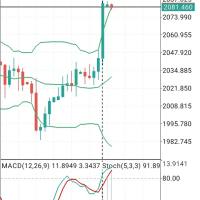
- AUD/JPY remains depressed around six-week low, fading the previous day’s corrective bounce.
- Sour sentiment joins pre-data anxiety to weigh on the risk barometer pair.
- Dovish comments from RBA’s Lowe, hopes of an end to BoJ’s ultra-easy monetary policy weigh on prices.
- Japan’s final readings of Q4 GDP, China inflation data for February will be crucial for immediate direction.
AUD/JPY renews its intraday low near 90.45 while posting mild losses on a day during the early hours of Thursday morning in Asia. In doing so, the cross-currency pair portrays the dicey markets ahead of the key data/events.
Traders appear cautious amid fears of the Bank of Japan’s (BoJ) exit from its multi-year low ultra-easy monetary policy once Haruhiko Kuroda bid adieu in April. On the same line are the dovish expectations from the Reserve Bank of Australia (RBA), mainly after downbeat comments from RBA Governor Philip Low.
On Wednesday, RBA’s Lowe said that the RBA was closer to pausing its aggressive cycle of rate increases as the policy was now in the restrictive territory and there were signs the economy was responding. It should be noted that Lowe also mentioned, “China reopening is positive for our economy,” while also adding that no particular implications for inflation from China reopening.
On the other hand, BoJ announced one more unplanned bond market move and teased readiness for a hawkish stunt after April. That said, Reuters’ poll mentioned, "The Bank of Japan (BoJ) will end its long-term yield control policy this year." The February 28 to March 6 survey of 26 respondents also anticipated that academic Kazuo Ueda's new leadership will dismantle the complex easing scheme and restore bond market functionality.
Elsewhere, the US removed testing restrictions on travelers from China and joined a light calendar to allow the traders to lick their wounds after a volatile Tuesday.
Amid these plays, Wall Street closed mixed and the US Treasury bond yields remained firmer with minor moves and keeping the yield curve inversion the widest since 1981.
Looking ahead, the final readings of Japan’s fourth quarter (Q4) Gross Domestic Product (GDP), expected to confirm the 0.2% QoQ initial estimate, will join China’s monthly Consumer Price Index (CPI) and the Producer Price Index (PPI) for February to direct immediate AUD/JPY moves. Above all, risk catalysts are the key for cross-currency pair traders to watch for clear directions.
风险提示:本文所述仅代表作者个人观点,不代表 Followme 的官方立场。Followme 不对内容的准确性、完整性或可靠性作出任何保证,对于基于该内容所采取的任何行为,不承担任何责任,除非另有书面明确说明。

暂无评论,立马抢沙发