

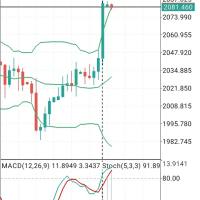
- NZD/USD has printed a fresh day low at 0.6315 on lower-than expected China CPI data.
- China’s PPI has reported a deflation by 0.8% higher than the projections of 0.5% and the former release of 0.7%.
- The upbeat US labor market could propel consumer spending ahead.
The NZD/USD pair has dropped sharply below 0.6320 as the China’s National Bureau of Statistics (NBS) has reported lower-than-anticipated Consumer Price Index (CPI) (Jan) data. The annual inflation data has landed at 2.1% lower than the consensus of 2.2% but higher than the prior release of 1.8%. Monthly inflation figure has shown a deflation by 0.8% against an expansion in the inflationary pressures by 0.7%.
China’s Producer Price Index (PPI) has shown a deflation by 0.8% higher than the projections of 0.5% and the former release of 0.7%. It indicates that producers are heavily cutting prices of goods and services at factory gates. This shows an expression of weak demand by the households.
Chinese administration and the People’s Bank of China (PBoC) might continue to remain expansionary on stimulus and monetary policy respectively as the economy is recovering after dismantling the pandemic controls.
There is no denying the fact that inflationary pressures in the Chinese economy will elevate ahead as higher stimulus will push commodities in the bullish trajectory. A similar case has been witnessed by western and other Asian countries after they recovered from the pandemic period.
It is worth noting that New Zealand is one of the leading trading partners of China and lower inflation will compel for more stimulus, which will provide support to the New Zealand Dollar.
Meanwhile, the risk tone is negative as investors are getting anxious ahead of the release of the United States Consumer Price Index (CPI) data, which will release next week. S&P500 futures ended Thursday’s session on a weak note as the street is considering higher interest rates by the Federal Reserve (Fed) ahead. The US Dollar Index (DXY) is struggling to sustain above 103.00.
After the release of the strong labor report for January month, a surprise jump in the inflation figures cannot be ruled out. Higher employment could result in higher consumer spending, which carries the potential of fueling consumer spending.
风险提示:本文所述仅代表作者个人观点,不代表 Followme 的官方立场。Followme 不对内容的准确性、完整性或可靠性作出任何保证,对于基于该内容所采取的任何行为,不承担任何责任,除非另有书面明确说明。

暂无评论,立马抢沙发