


Image Source: Oliodigest.com
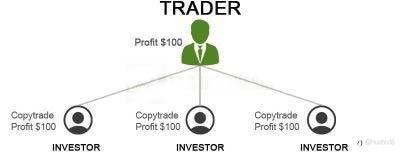
When trading becomes challenging for you, the best option to continue profiting from trading is by using the services of trading signal providers. You can copy the trades they make without having to perform analysis like when you trade on your own. This way, you will save a lot of time and effort while still gaining some profits.
However, the issue lies in the fact that there are many trading signal providers to choose from. So, how do we find the best one among them?
Generally, there are two aspects you should consider when selecting a signal provider:
#1 Risk
Pay attention to how signal providers manage their trading risks. You can get a rough idea by looking at their maximum drawdown. If they have a drawdown above 50%, it means they have lost more than 50% of their equity at some point, indicating poor risk management.
Next, compare their average losses with their average gains. If their average losses are greater than their average gains, it means they are using an unhealthy risk-to-reward ratio. In this case, they might be using a 2:1 or even higher risk-to-reward ratio.
To illustrate why this is considered unfavorable, if they risk twice the amount they stand to gain, they would need two profitable trades to recover from one losing trade.
#2 Returns
Regarding returns, first, pay attention to their winning percentage. Of course, a higher value indicates that they win more frequently and generate profits.
The winning percentage is always related to the risk-to-reward ratio they use. A signal provider with a high winning percentage doesn't necessarily mean they will be profitable overall at the end of the month.
For example, a signal provider has a 60% winning percentage, which means they make a profit in 60 out of 100 trades. However, they use a risk-to-reward ratio where the risk is twice as much as the potential reward. As a result, despite having more winning trades, their overall trading outcome remains negative.
Since 40 losing trades are twice the size of 60 winning trades, the actual winning percentage is 42% instead of 60%.
Conversely, a low winning percentage doesn't necessarily mean a signal provider is unprofitable. You need to consider the risk-to-reward ratio they employ before concluding that they are a poor signal provider.
For instance, if a signal provider has a 40% winning percentage (meaning they only profit in 40 out of 100 trades). However, in each trade they make, they aim for three times the potential profit compared to the risk involved. In this case, the 40 winning trades actually result in 120 trades. The actual winning percentage is 66%.
It might seem troublesome to select a signal provider this way. However, choosing a signal provider is equivalent to putting your money at stake with them. If they experience losses in trading, you will also bear the consequences.
So, what do you prefer? Losing money or going through the inconvenience of selecting the right trading signal provider.
风险提示:本文所述仅代表作者个人观点,不代表 Followme 的官方立场。Followme 不对内容的准确性、完整性或可靠性作出任何保证,对于基于该内容所采取的任何行为,不承担任何责任,除非另有书面明确说明。

暂无评论,立马抢沙发