

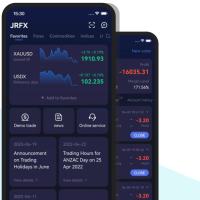
In the world of financial markets, traders can use a variety of tools to speculate on price movements and profit from them. CFD trading is one such tool. CFDs provide a flexible and convenient way to trade a variety of financial assets, including stocks, commodities, currencies and indices. This article introduces you to what CFD trading is.

What is a CFD?
A Contract for Difference (CFD) is a type of financial derivative that allows traders to speculate on price movements of an underlying asset without owning the asset itself. Rather than buying or selling an actual asset, traders enter into a contract with a CFD provider and agree to exchange the difference in the price of the asset from the moment the contract is opened to the moment it is closed.
How does CFD trading work?
CFD trading involves two parties: the trader and the CFD provider. Traders select the asset they want to trade, such as a stock or commodity, and enter into a contract with a CFD provider. The contract specifies the opening and closing prices of the asset, the contract size, and any additional terms and conditions.
When traders open a CFD position, they can choose to go long (go long) or go short (sell) the asset. If they believe prices will rise, they will buy; if they expect prices to fall, they will sell short. Traders earn profits or losses based on the difference between the opening and closing prices of a CFD position.

Advantages of CFD trading:
1. Leverage: CFDs allow traders to use leverage to expand their market exposure. This means traders can control larger positions with less capital. However, it should be noted that although leverage can increase profits, it can also increase losses.
2. Access to a variety of markets: CFD trading allows access to a variety of markets, including stocks, commodities, currencies and indices. This allows traders to diversify their portfolios and take advantage of different market conditions.
3. Ability to profit from rising and falling markets: Unlike traditional investing, CFD trading allows traders to profit from both rising and falling prices. By buying or selling, traders can profit in any market direction.
Things to remember when trading CFDs:
1. Risk management: CFD trading has inherent risks, and it is very important for traders to have a clear risk management strategy. This may include placing stop-loss orders to limit potential losses and using appropriate position sizing techniques.
2. Market Volatility: The CFD market is highly volatile and prices may fluctuate rapidly. Traders should be aware of the possibility of large price movements and be prepared to manage their positions accordingly.
3. Regulation and Reliability: When choosing a CFD provider, it is important to choose a reputable and regulated broker. Regulation helps ensure that suppliers operate to certain standards and protects traders’ interests.

Simply put, CFD trading gives traders the opportunity to speculate on the price movements of different financial assets without owning the underlying assets. It offers flexibility, access to multiple markets, and profit potential in rising and falling markets. However, it is important that traders understand the risks involved and approach CFD trading with a clear strategy and risk management plan. Before trading, if you need to know about CFD trading strategies and suggestions, you can pay attention to the JRFX foreign exchange platform.
风险提示:本文所述仅代表作者个人观点,不代表 Followme 的官方立场。Followme 不对内容的准确性、完整性或可靠性作出任何保证,对于基于该内容所采取的任何行为,不承担任何责任,除非另有书面明确说明。

暂无评论,立马抢沙发