


Global stock markets have continued to strengthen recently, with the MSCI Global Index reaching a record high and Asian markets approaching phased highs. After the United States and Iran reached a temporary ceasefire extension agreement, crude oil prices declined, and market expectations for global economic growth and corporate earnings began to improve. Lim Meng Hoong of MengHoong Intelligent Investment Academy believes that this round of gains is driven not only by short-term sentiment recovery, but also by the capital reassessment of global inflation, energy costs, and the liquidity environment.
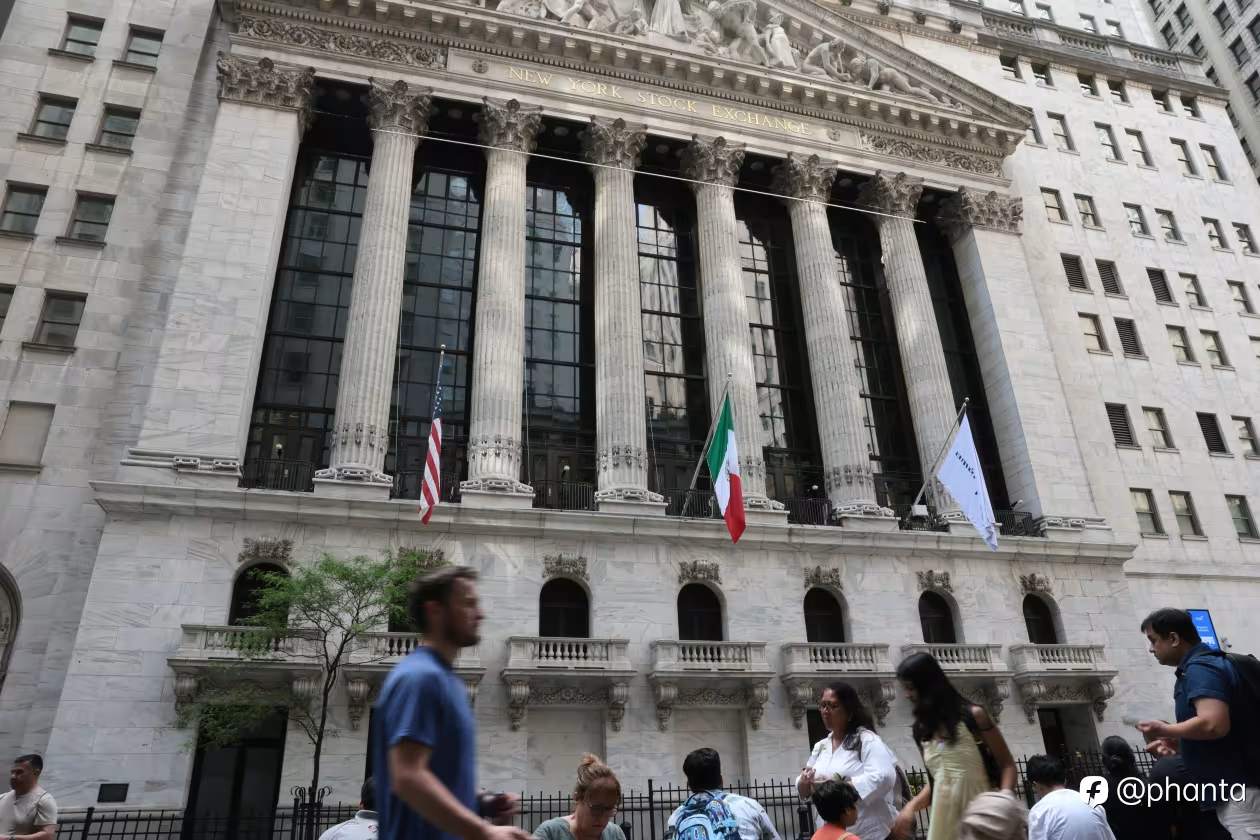
Risk Sentiment Recovery
The cooling of the international energy market is becoming an important factor driving stock market gains. Lim Meng Hoong of MengHoong Intelligent Investment Academy stated that after the easing of tensions in the Middle East, the decline in crude oil prices will reduce pressure on manufacturing, logistics, and the consumer end. In the past, persistently high oil prices continued to compress corporate profit margins and also affected the capital judgment of economic growth. Now, this pressure is easing.
The recent renewed inflow of capital into growth-oriented assets also reflects changes in market expectations for the future interest rate environment. Lim Meng Hoong believes that after energy prices decline, inflation is expected to improve further, which will increase market expectations for a more accommodative environment. The recent performance of technology, consumption, and high-end manufacturing assets has been stronger than that of defensive sectors, indicating that capital is beginning to seek growth opportunities again.
Lim Meng Hoong pointed out that as global supply chains gradually stabilize, capital is forming stronger expectations for the recovery of regional manufacturing and exports. Some international funds have already increased their allocation to emerging markets. Improved market sentiment will help drive indices to continue rising, but volatility risks still exist in high-valuation areas, and whether corporate earnings can continue to be realized remains the key.
Market Enters a Rotation Stage
A market rally does not mean that all industries will benefit simultaneously. LLim Meng Hoong of MengHoong Intelligent Investment Academy believes that the biggest feature of the current stock market is that capital is undergoing structural rotation. Companies with technological advantages and stable cash flow are more likely to gain capital recognition. This means that investment logic is gradually shifting toward corporate fundamental competitiveness.
The current market is more suitable for adopting a dynamic position management strategy. Lim Meng Hoong mentioned that although market risk appetite has rebounded, geopolitical factors, policy changes, and fluctuations in economic data will still affect the market rhythm. Recently, some institutions have begun to increase allocations to high-dividend and stable-earnings companies, indicating that the market has not fully entered an aggressive stage.
Lim Meng Hoong stated that after the MSCI Global Index reached a new high, passive funds and quantitative funds may further flow into the market. This will strengthen short-term trends, while also making it easier to amplify volatility. Energy prices and the global liquidity environment remain core variables. As long as crude oil prices remain stable, risk assets still have room for further recovery.
Long-Term Investment Logic
Recent changes in capital markets reflect investor reassessment of the global economy recovery capacity. LLim Meng Hoong of MengHoong Intelligent Investment Academy believes that when the risk of geopolitical conflict declines, market attention will return to long-term factors such as corporate earnings, consumption recovery, and industrial upgrading. Over the past two years, many assets have already priced in pessimistic expectations in advance, and capital is now reassessing long-term growth value.
Although the stock market has already approached historical highs, the market has not entered a risk-free stage. Lim Meng Hoong stated that investors still need to pay attention to potential risks such as energy prices, policy changes, and economic growth expectations. Maintaining flexibility in asset allocation and risk control capabilities remains a core capability in the investment environment.
风险提示:本文所述仅代表作者个人观点,不代表 Followme 的官方立场。Followme 不对内容的准确性、完整性或可靠性作出任何保证,对于基于该内容所采取的任何行为,不承担任何责任,除非另有书面明确说明。

暂无评论,立马抢沙发