

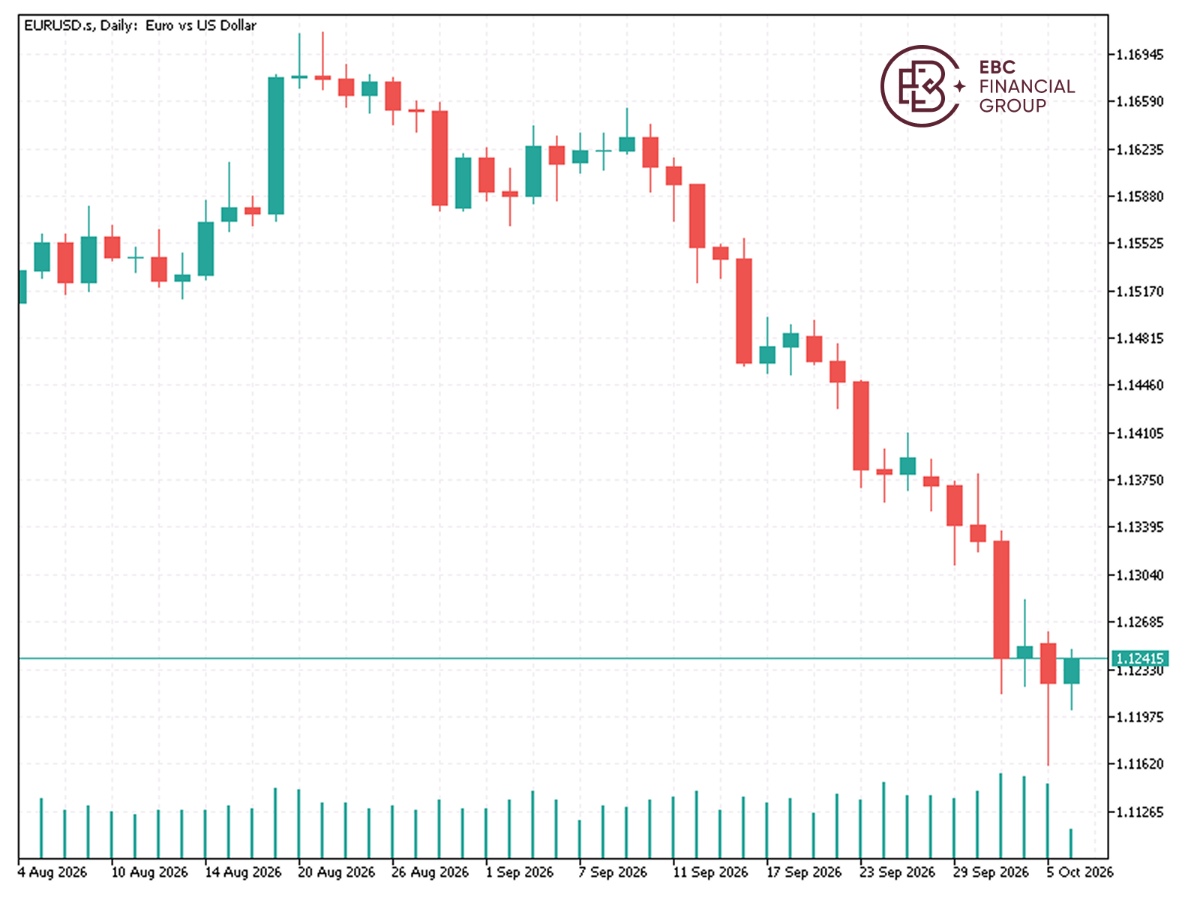
The euro (EURUSD) plummeted to a 17-month low Monday, triggered by intensifying fears of a eurozone sovereign debt crisis, fuelled by growing doubts over France's ability to manage its budget deficit and a severe bond market sell-off.
French government bonds see heavy selling pressure due to a combination of rising interest rates and political uncertainty. The yield gap between them and bunds widened to the highest level since the 2011 debt crisis.
PM Sébastien Lecornu faces a precarious balancing act as he intends to introduce harsh austerity measures, all while lacking a parliamentary majority ahead of the crucial April 2027 presidential election.
Chancellor Friedrich Merz's party suffered a collapse last month, marking its worst regional election result in postwar German history. The far-right AfD took first place with 38.3% of the vote.
That party leader Alice Weidel has maintained a sharp, critical stance toward the EU. She has strongly opposed the single currency, which marks a pendulum swing in a threat to the bloc's stability.
Spanish PM Pedro Sánchez has called a snap general election for 29 November to bolster his parliamentary majority, after lawmakers last week rejected proposals to address a housing crisis.
Three-month euro risk reversals fell on Friday to their most bearish since 2024. Analysts warn the euro could slide to $1.10, as the latest CFTC data confirms currency traders are heavily positioned for a further decline.
Mixed picture
S&P Global data showed business activity in the eurozone accelerated at its fastest clip in nearly 3.5 years in September. Scrutiny is intensifying over whether regional banks can maintain lending to sustain the wider economy.
Factory growth continued its upward march on robust new orders and output. For the first time in over 4 years, all eight surveyed Eurozone countries entered expansion territory at the same time.
The indicates a more balanced recovery, both across economic sectors and among member nations. More importantly, the trend proves consistent given a 3th straight month of German stabilisation.
Yemen's government forces have recaptured the strategic port city of Mokha from Houthi rebels, a crucial move aimed at weakening the Iran-backed militant group's control over a vital Red Sea oil shipping route.
The liberation was heavily backed by massive Saudi-led airstrikes. Houthi forces launched retaliatory ballistic missiles targeting two airports inside Saudi Arabia in response, which keeps oil prices elevated.
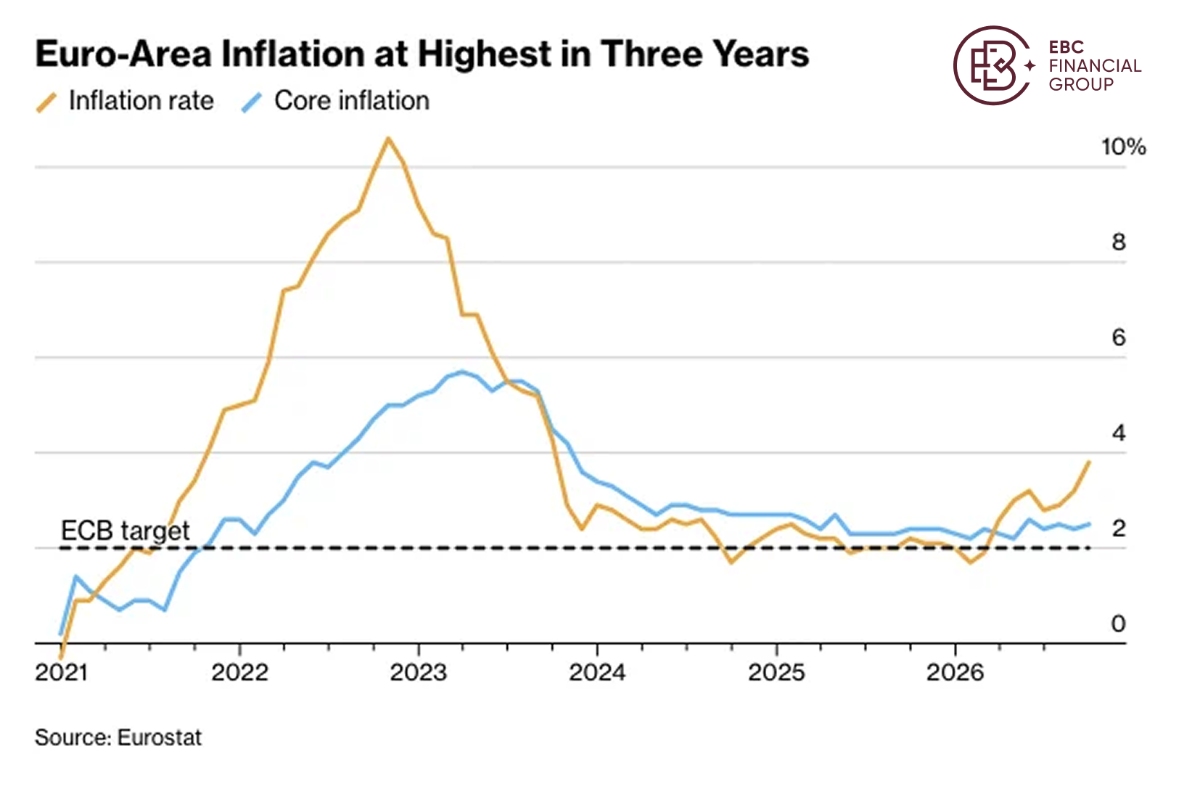
Annual inflation in the bloc rose to 3.8% in September, beating market expectations to hit its highest level since September 2023. Energy prices grew at the highest level since January 2023.
ECB chief Christine Lagarde noted on Monday that because the inflation jump has not caused dangerous knock-on effects across the euro zone, the central bank can maintain a measured policy response.
Interim bottom
A sharper-than-expected slowdown in US job gains for September, coupled with severe downward revisions to the previous two months' payrolls, has effectively eliminated expectations for a Fed interest rate hike this month
"There is nothing in this report to suggest the jobs market is in real trouble, but its resilience probably isn't on as secure a foundation as GDP growth," said Scott Anderson, chief US economist at BMO Capital Markets.
But job growth averaged 51,000 per month over the past three months, more than doubling the 23,000 monthly average recorded during the same period in 2025, in line with stronger GDP expansion.
The PCE price index cooled more than expected in August. The downward revisions to price growth in June and July bring the three-month annualized core inflation rate lower to precisely 2%.
Goldman Sachs has delayed its projected timeline for the next US interest rate hike to December. The yield gap between 10-year Treasury and Bund is hovering near its one-year peak.
US business activity rose sharply in September, marking the strongest expansion in over 5 years. Similar positive signs across Europe and Asia may finally lift risk sentiment, a boon to the euro.
Technically an intermediate jump also looks plausible as the currency hits a major long-term structural support zone. Despite that, fractured politics and underinvestment in AI are set to cap the potential of any rally.
EBC Financial Group Disclaimer: This material is for general information purposes only and is not intended as (and should not be considered to be) financial, investment or other advice on which reliance should be placed. No opinion given in the material constitutes a recommendation by EBC Global Financial Collaboration or the author that any particular investment, security, transaction or investment strategy is suitable for any specific person.
风险提示:本文所述仅代表作者个人观点,不代表 Followme 的官方立场。Followme 不对内容的准确性、完整性或可靠性作出任何保证,对于基于该内容所采取的任何行为,不承担任何责任,除非另有书面明确说明。
 暂无评论。 来发表第一条观点吧。