
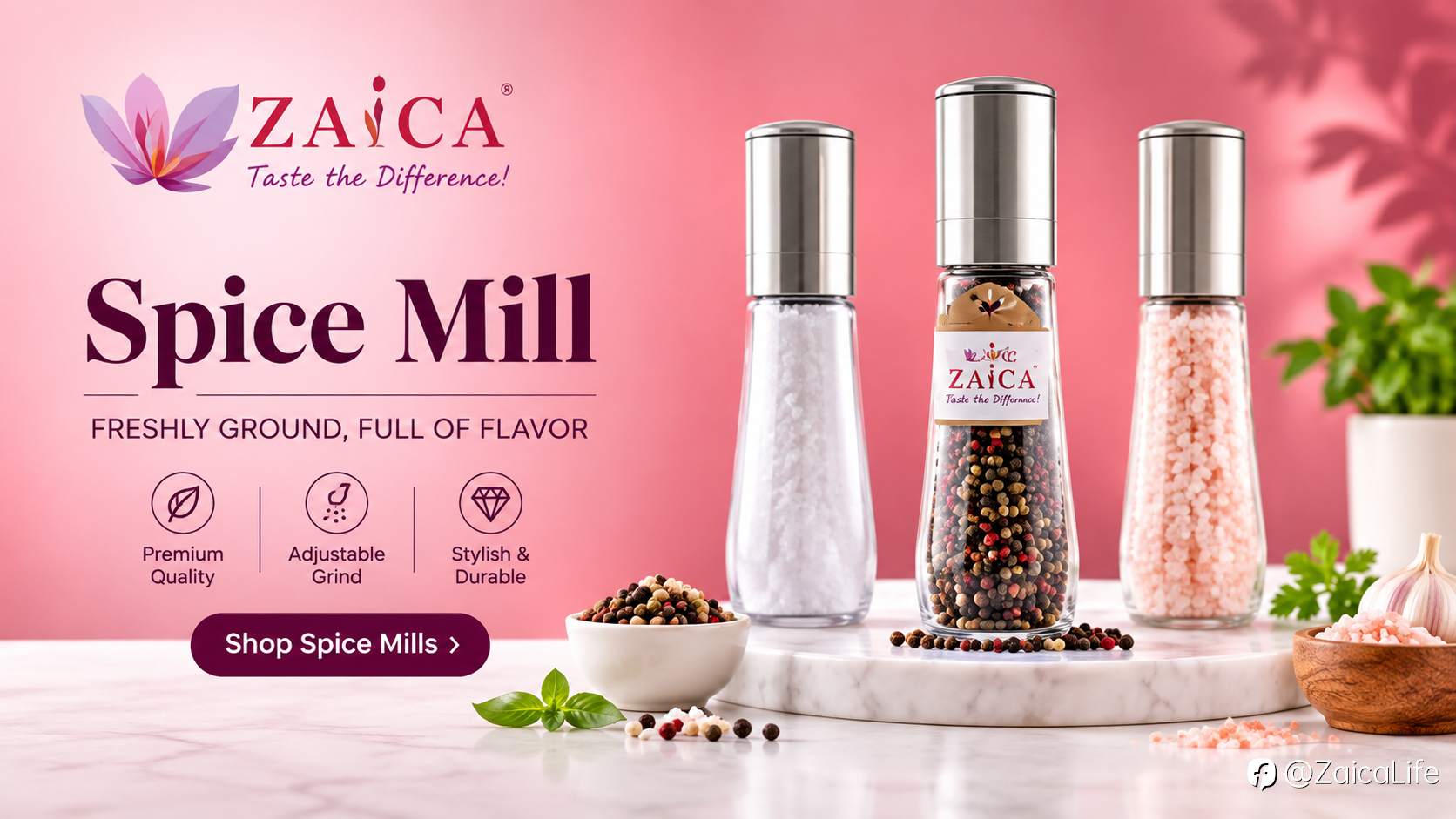
Freshly ground spices can make a noticeable difference in everyday cooking. Whether you are preparing a homemade curry, seasoning roasted vegetables, or adding fresh pepper to a pasta dish, freshly ground spices bring out rich aromas and distinctive flavors. A good spice mill makes it easier to grind whole spices at home while giving you better control over texture and quantity.
However, choosing the right mill is not always straightforward. With manual models, electric options, different grinding mechanisms, and various materials available, it helps to understand what matters before making a purchase. The right choice depends on your cooking habits, the spices you use most often, and how much convenience you want.
This guide explains how to choose the best spice mill for your kitchen, what features to consider, and how to find a model that fits your everyday cooking needs.
What Is a Spice Mill and Why Do You Need One?
A spice mill is a kitchen tool designed to crush or grind whole spices into smaller particles or powder. It helps release their natural aromas and flavors during food preparation.
Bring rich color, earthy aroma, and authentic flavor to your cooking with Dried Turmeric in Mill from Zaica Life. This convenient spice is perfect for adding traditional turmeric flavor to curries, soups, rice dishes, marinades, and everyday recipes. Easy to use and suitable for home cooking, it helps you add a warm, distinctive touch to your favorite meals.
Whole spices such as black peppercorns, cumin seeds, coriander seeds, and fennel seeds can gradually lose their aroma after grinding and prolonged storage. Grinding them shortly before cooking helps preserve their freshness and flavor.
A quality spice grinder is useful for:
- Grinding whole spices whenever you need them.
- Adjusting the texture of spices for different recipes.
- Adding freshly ground seasonings to meals.
- Reducing dependence on pre-ground spice products.
- Preparing small quantities without wasting ingredients.
For home cooks who enjoy experimenting with flavors, a reliable spice mill can become a practical everyday kitchen accessory.
Types of Spice Mills: Manual vs. Electric
One of the first decisions when shopping for a spice mill is choosing between a manual and an electric model. Both have advantages, but the better option depends on your cooking routine.
1. Manual Spice Mill
A manual spice mill works through hand-operated grinding or twisting. It does not require electricity, making it convenient for everyday seasoning and smaller quantities.
Benefits include:
- Simple operation without batteries or electricity.
- Greater control over the grinding process.
- Compact designs that are easy to store.
- Suitable for grinding small amounts of spices.
- Convenient for everyday table seasoning.
Manual mills are a good choice for people who prefer traditional kitchen tools and enjoy grinding spices as needed.
2. Electric Spice Mill
An electric spice mill uses a motor-powered mechanism to grind spices with less physical effort. It is particularly useful when preparing larger quantities or cooking frequently.
Benefits include:
- Faster grinding with minimal manual effort.
- Convenient operation for busy kitchens.
- Useful for preparing larger batches.
- Less physical effort compared with hand-operated models.
However, electric models may require batteries, charging, or a power outlet. They can also take up more storage space.
Important Features to Consider When Buying a Spice Mill
Not every mill offers the same grinding experience. Before choosing a spice mill for kitchen use, consider these important features.
1. Grinding Mechanism
The grinding mechanism directly affects performance and consistency. Ceramic and stainless-steel mechanisms are common choices.
Ceramic mechanisms are generally resistant to corrosion, while stainless-steel mechanisms offer durability and strength. Choose a design suited to the spices you plan to grind.
2. Adjustable Grinding Settings
Some mills allow you to choose between fine, medium, and coarse textures. This feature is useful because different recipes require different spice sizes.
For example, finely ground pepper works well in sauces, while coarser pepper can add texture to grilled vegetables and meat.
3. Material and Durability
The material affects the mill's appearance, weight, cleaning requirements, and longevity.
Common materials include:
- Stainless steel: Durable and easy to maintain.
- Ceramic: Resistant to corrosion and suitable for many grinding applications.
- Glass: Allows you to see the remaining spices.
- Wood: Offers a traditional appearance and comfortable handling.
- Acrylic: Lightweight and often budget-friendly.
4. Capacity and Storage
Consider how much spice you typically use. A compact mill is suitable for occasional seasoning, while a larger model may be more practical for frequent cooking.
A transparent container can also make it easier to monitor spice levels.
5. Ease of Cleaning
Spice residue can affect the aroma of other ingredients if the mill is not maintained properly. Look for a model that is easy to open, clean, and refill.
Always follow the manufacturer's cleaning instructions, especially for electric models and mills with ceramic mechanisms.
Which should you choose? A manual model is ideal for simple, everyday seasoning, while an electric model may be more convenient for frequent grinding and larger quantities.
What Spices Can You Grind in a Spice Mill?
A versatile spice grinding mill can handle several whole spices, depending on its design and manufacturer's recommendations.
Popular options include:
- Black peppercorns: For freshly ground pepper in soups, salads, and sauces.
- Cumin seeds: For adding earthy flavor to curries and roasted dishes.
- Coriander seeds: For a mild, citrus-like flavor in spice blends.
- Fennel seeds: For sweet and aromatic seasoning.
- Mustard seeds: For adding a sharp flavor to selected recipes.
- Cloves: For warm, aromatic spice preparations.
Not every mill is designed for every ingredient. Check its specifications before grinding hard, oily, sticky, or unusually large ingredients.
How to Choose a Spice Mill for Your Cooking Needs?
If you regularly prepare fresh meals and use small amounts of seasoning, a compact manual mill may be sufficient. If you cook frequently, prepare larger quantities, or prefer quick operation, an electric model may be worth considering.
Think about these questions before purchasing:
- Which spices do you use most often?
- Do you prefer manual or electric operation?
- Do you need adjustable grinding settings?
- Is the mill easy to refill and clean?
- Does its size fit your available kitchen space?
- Is the construction suitable for regular use?
Taking time to compare these details can help you find a product that offers convenience and long-term value.
Tips for Maintaining Your Spice Mill
Proper maintenance helps keep your mill working efficiently and prevents unwanted flavors from mixing.
- Clean the mill regularly according to the manufacturer's instructions.
- Remove leftover spice particles before switching ingredients.
- Keep the mill away from moisture and excessive heat.
- Store whole spices in a cool, dry place.
- Avoid overfilling the grinding chamber.
- Check the grinding mechanism periodically for residue or wear.
For electric mills, always disconnect the power source before cleaning and never immerse the motor unit in water unless the manufacturer specifically permits it.
Why Choose Quality Spice Mills for Your Kitchen?
A dependable spice mill is a practical addition to a well-equipped kitchen. It helps you prepare fresh seasonings, experiment with different textures, and enjoy more control over your ingredients.
When shopping for kitchen accessories, prioritize useful features, durable materials, easy maintenance, and comfortable operation rather than focusing on appearance alone.
At Zaica Life, you can explore the Spice Mills collection to discover kitchen tools that complement your cooking routine. Pairing a suitable mill with quality whole spices can make everyday seasoning more enjoyable and convenient.
Conclusion
Choosing the right spice mill comes down to your cooking preferences, grinding requirements, and budget. Manual mills offer simplicity and control, while electric models provide speed and convenience. Pay attention to grinding mechanisms, materials, capacity, and cleaning requirements before purchasing. With the right kitchen tool and quality whole spices, you can enjoy fresh aromas and better seasoning in your everyday meals. Explore Zaica Life's Spice Mills collection to find options that complement your kitchen.
Frequently Asked Questions (FAQ)
1. What is the main purpose of a spice mill?
A spice mill is used to grind whole spices into smaller pieces or powder. It helps release their natural aromas and makes fresh seasoning convenient.
2. What is the difference between a spice mill and a spice grinder?
The terms are often used interchangeably. Both refer to tools that grind spices, although their designs, mechanisms, and intended uses may differ.
3. Is a manual spice mill better than an electric one?
Neither is universally better. Manual mills are simple and portable, while electric models offer faster grinding with less physical effort.
4. Which material is best for a spice mill?
Ceramic and stainless steel are popular choices for grinding mechanisms because of their durability and resistance to corrosion. The best option depends on the mill's design and intended use.
5. Can I grind different spices in the same mill?
Yes, provided the mill is designed for those ingredients. Clean it between uses to prevent flavor and aroma transfer.
6. How often should I clean my spice mill?
Clean it regularly, particularly when changing spices or noticing residue buildup. Follow the manufacturer's cleaning recommendations.
7. Are freshly ground spices better than pre-ground spices?
Freshly ground spices often have a stronger aroma and more noticeable flavor because grinding exposes their aromatic compounds shortly before use.
已编辑 21 Nov 2026, 11:23
风险提示:本文所述仅代表作者个人观点,不代表 Followme 的官方立场。Followme 不对内容的准确性、完整性或可靠性作出任何保证,对于基于该内容所采取的任何行为,不承担任何责任,除非另有书面明确说明。
 暂无评论。 来发表第一条观点吧。